
Have you ever tried to solve a puzzle, learn a new word, or remember something important? Your brain helps you do all these things. The word cognitive describes the way we think, learn, understand, an...
Have you ever used a phone to send a message, paid for something online, or read a book on a screen? These are all examples of life in the digital world. The word digital often describes technology, d...

Have you ever used the word word many times in the same paragraph? It can make your writing sound repetitive. The good news is that English has many alternatives for words, depending on what you mean....
Have you ever walked into a party where everyone was smiling, talking, and laughing? You might describe the place as lively. The word lively means full of energy, activity, or excitement. For example,...
Have you ever strongly disliked someone’s behavior and felt that you had no respect for it? You may have felt disdain. In simple English, disdain means a strong feeling that someone or something...
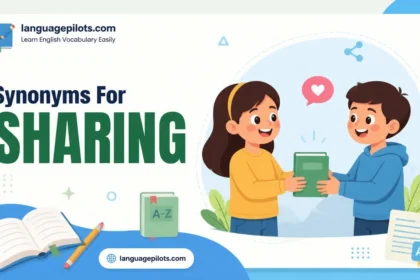
Have you ever given your friend some food, told someone your idea, or posted a useful tip online? All of these actions involve sharing. The word sharing is common in daily English, but using the same ...

Have you ever talked about something that happened after another event? For example, you may say, “The subsequent meeting was held on Monday.” In simple English, subsequent means something that comes ...
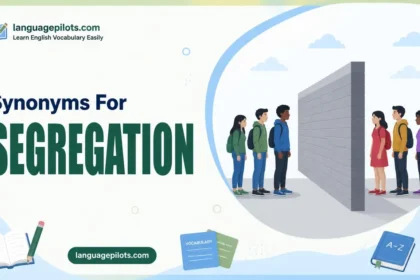
Have you ever seen people, objects, or groups kept apart instead of being together? This is called segregation. In simple English, segregation means separating people or things into different groups o...
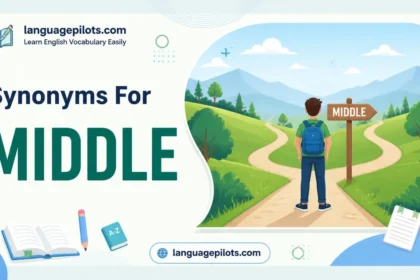
Have you ever wanted to use a better word than middle in an essay or conversation? For example, instead of saying, “She sat in the middle of the room,” you can say, “She sat at the center of the room....
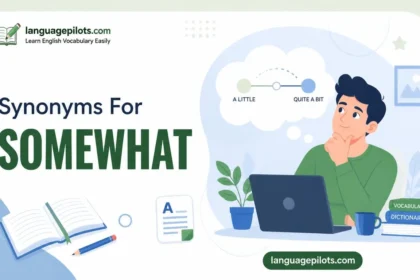
Have you ever wanted to say that something is a little true, but not fully true? For example, you may say, “I am somewhat tired after school.” This means you are tired to a small degree. The word some...